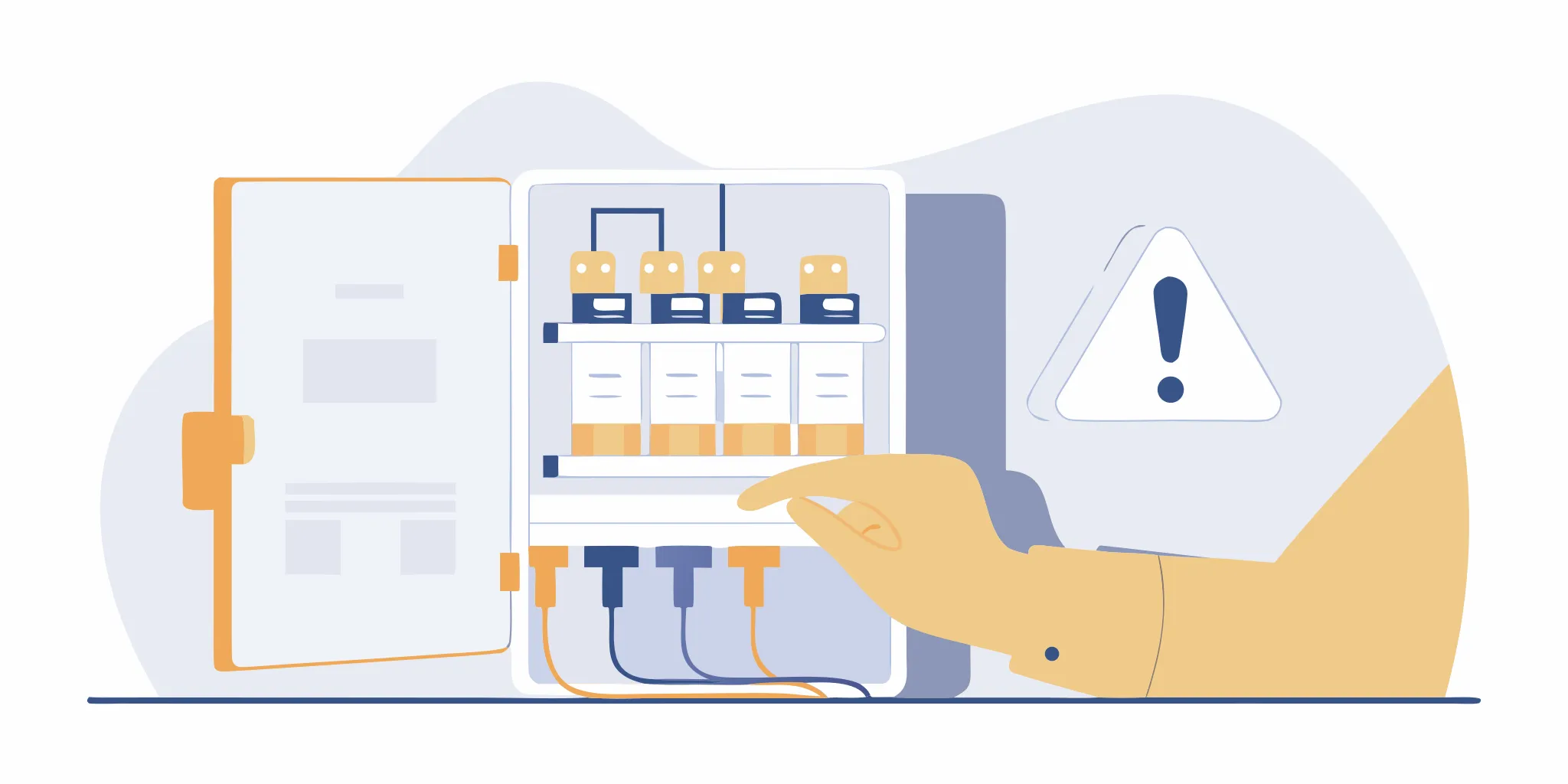
Working on a main breaker box without professional training creates a major risk for your family. A single loose wire or improper connection can spark a fire in seconds.
Schedule a professional electrical panel inspection today to identify hidden diy electrical panel danger before it causes a fire or voids your insurance.
The diy electrical panel danger means much more than just a blown fuse or a flickering light in your home. Making changes to your main power system without a license can lead to bad shocks, lasting injuries, or fires that destroy your house. The U.S. Consumer Product Safety Commission says about 400 people die every year in their homes from electrocution. These deaths often happen when people touch live wires or fail to follow basic safety codes. Beyond the physical risks, doing this work yourself can void your insurance policy and stop you from selling your home later. Professional electricians have the right gear and training to handle high-voltage parts safely while keeping your home in line with local Florida building rules.
Understanding these risks is the first step toward keeping your family safe in Port St. Lucie. You should never take chances with the core of your home's power system. The Real Dangers of DIY Electrical Panel Work section explains what can go wrong when untrained hands touch live wires.
Diy Electrical Panel Danger: The Real Dangers of DIY Electrical Panel Work
Working on your home breaker box might seem like a quick way to save money, but the diy electrical panel danger is very real. Electrical panels are the hub of your home's power. They handle high levels of voltage that can cause severe harm if handled in the wrong way. Making a mistake in this area can lead to deadly shocks, fires, or damage to your home's entire system.
Fatal Shock and Electrocution Risks
One of the biggest threats when you open a panel is the risk of a fatal shock. According to the Consumer Product Safety Commission, about 400 people die in their homes every year due to electrocution. Many of these deaths happen because a person touches a live wire or a metal tool hits a hot part of the box. Even if you turn off the main breaker, the service wires coming from the street stay live and carry enough power to kill at once.
Professional electricians use special gear and tools to work safely around these wires. They know how to find date codes and check for hidden issues that you might miss. Without this training, you put your life at risk every time you reach inside the box. You also risk arc flash, which is a sudden burst of heat and light that can cause bad burns and eye damage.
Major Fire Hazards and Recalls
Poor work inside a panel is a leading cause of house fires. Outdated or faulty panels cause thousands of fires each year because their safety parts fail to work. If you install a breaker wrong or use the wrong size wire, the panel might not trip when it gets too hot. This heat can build up until the wires or the box catch fire behind your walls.
Safety is so key that even top brands have faced major issues. For example, Schneider Electric had to recall 1.4 million panels because they could overheat and start fires. If a pro did not set up your panel, you might not know if your model is part of a recall like this. A licensed pro will check for these recalls and ensure your home meets all local safety codes.
Long Term System Damage
When you try a DIY fix, you might think the job is done if the lights stay on. But poor wiring often causes slow damage that you cannot see. Loose connections create heat and can melt the plastic parts of your breakers. Over time, this stress makes your electrical panel services much more costly when the whole unit fails. It is always safer and cheaper to get the job done right the first time by a pro.
Warning Signs Your Electrical Panel Has DIY Damage
Working on your own power box is risky. Many people try to save money by doing their own repairs. But the diy electrical panel danger is real. You can often spot signs of poor work just by looking at the box. These clues show that someone without a license made changes. You do not even need to take the cover off to see some of these problems.
Signs on the box cover
One of the first things to check is how the panel feels. A safe panel should stay cool to the touch. If the metal cover feels warm, it could mean there is a loose wire or too much load on a circuit. You might also notice a faint smell of burnt plastic. These smells are clear signs of heat that can lead to a fire. As the CPSC says, about 400 people die each year in their homes from shocks and fires.
Look for marks on the outside of the box too. Rust on the metal can show that water is getting inside. Water and power are a deadly mix. You should also look for burn marks or black soot around the edges. These marks mean that sparks have flown inside the box. If you see any of these signs, you should stop touching the panel and call for help right away.
Improper wiring and breaker issues
Open the small door to look at the switches. A common sign of DIY work is having many brands of breakers. Each box is made to work with its own parts. If you see a mix of colors and shapes, someone may have forced a part in that does not fit. This can cause the switch to fail when you need it most. It is helpful to spend time understanding your homes breaker panel so you can spot these odd parts.
You should also check for other red flags in the box. Here are some common DIY errors that pros find:
- Double-tapped breakers where two wires are put under one screw.
- Breakers that are the wrong size for the wire.
- Loose switches that wiggle when you touch them.
- Fuses or breakers that trip for no clear reason.
Using a 30-amp breaker on a wire meant for 15 amps is a huge fire risk. The wire will get too hot before the switch ever trips and cuts the power.
Hidden damage inside the box
Some issues are harder to see but still unsafe. DIYers often use the wrong type of wire for the job. You might see aluminum wires mixed with copper ones without the right parts. This causes the metal to grow and shrink at other rates. Over time, the wires pull away from each other. This creates a gap where power can jump. These jumps are a top cause of home fires.
Last, look at how the wires are tucked into the box. A pro will keep wires neat and tied back. If the wires look like a mess, it is likely DIY work. Crowded wires can rub against each other and wear down the soft cover. Once the bare metal is out, a short circuit can happen. These signs tell you that your home is at risk. It is best to have a pro look at your panel to keep your family safe.
How DIY Electrical Panel Work Violates NEC Code
The diy electrical panel danger extends beyond personal safety: unpermitted panel work violates National Electrical Code (NEC) standards, voids your home insurance policy, and can block a home sale. Licensed electricians ensure every wire, breaker, and connection meets current code requirements with proper permits and inspections.
Most owners do not know that the National Electrical Code (NEC) sets hard rules for power boxes. These rules exist to keep your family safe from fires and shocks. When you try to fix a panel yourself, you likely break these laws. The biggest diy electrical panel danger is that a small slip can lead to a house fire or a failed home sale. Following the code makes sure your home is safe for everyone inside.
The need for a permit
The law needs a permit for almost any work on a main power box. This permit makes sure a city pro checks the work when it is done. If you skip this step, the city has no record that the job was done the right way. The Consumer Product Safety Commission states that only a pro electrician should work on home panels to follow all safety codes.
Licensed pros make sure every wire and part meets the needs of your house. Without a permit, you have no proof that the system is safe to use. This can lead to big issues with your home insurance if a fire starts. Most firms will deny a claim if work without a permit caused the fire. They see DIY work as a risk they did not agree to cover.
Common electrical code slips
People with no training often make slips that pros catch fast. One common fault is using the wrong wire size for a circuit. If the wire is too thin for the breaker, it can get too hot and start a fire. DIYers also often forget to use parts that stop wire wear against the sharp metal edges of the box. This can strip the wire and lead to a short circuit or a shock.
Other common slips in DIY panel work include:
- Installing breakers that are too large for the circuit wires.
- Connecting two wires to a single screw, which pros call a double tap.
- Failing to ground the system the right way to stop shocks.
| Panel Feature | DIY Installation | Professional Installation |
|---|---|---|
| Breaker sizing | Often mismatched to wire gauge, causing overheating | Matched exactly to wire size and circuit load per NEC code |
| Wiring connections | Double-tapped breakers and loose terminals | Single wire per terminal, torqued to spec |
| Grounding | Incomplete or missing ground paths | Proper grounding and bonding per local code |
| Permits and inspections | No permit, no inspection, no record | Permit pulled, work inspected, code compliance verified |
| Insurance coverage | Claims denied for unlicensed modifications | Fully covered, no policy gaps |
Learning when to replace a circuit breaker is helpful for any owner. But doing the work inside a live box is not a good idea. Even a small slip with a tool can cause a big spark. A pro knows how to work around live wires without putting your home at risk. Browse our full range of electrical services to see how we help Florida homeowners stay safe.
Problems during a home sale
If you plan to sell your house, a DIY panel is a big red flag. Home pros look for signs of messy work, like poor wiring or wrong parts. This can scare away buyers or force you to pay for a full pro fix before you can sell. Most buyers will not want to take on the risk of a house that does not meet the safety code.
Buyers often ask for permit papers for any big changes you have made. If you do not have them, they may ask for a price cut to pay for a pro repair. In some cases, a bank will not lend money for a home with known code errors. Hiring a pro for professional electrical breaker box installation keeps your home value high and your family safe.
Why DIY Panel Work Can Void Your Home Insurance
The diy electrical panel danger includes a direct financial risk: most home insurance policies exclude coverage for damage caused by unlicensed electrical work. If a fire traces back to an unpermitted panel modification, the insurer can deny the claim entirely, leaving you with the full repair cost out of pocket.
Claims denied for unpermitted changes
Many people try to save money by doing their own electrical work. But taking on a diy electrical panel danger project can cost you much more in the long run. Most home insurance policies clearly state that you must have a licensed pro do major work. If a fire starts because of a DIY change, your insurance company may refuse to pay your claim.
The risks are very high because your electrical panel controls all the power in your home. Insurance firms know that bad wiring leads to many house fires each year. If you swap a breaker or add a subpanel without a permit, you give the insurance adjuster a reason to walk away. They often see work without a permit as a breach of your policy terms.
Even if you did the work well, the lack of a legal permit gives them grounds to deny your payout. This could leave you with big bills to pay after a disaster. Without insurance coverage, you will be forced to pay for all repairs out of your own pocket. A single mistake can lead to total financial loss.
Safety risks that lead to insurance refusal
Insurance companies focus on risk. They follow safety data from groups like the U.S. Consumer Product Safety Commission. This group shows that bad wiring causes many fatal shocks and fires in homes. Because of these dangers, your policy likely requires a licensed expert for any panel changes.
When you skip the pro, you take on all the financial risk yourself. You should watch for signs you need an electrician before you touch the panel cover. The danger is not just about fire. Bad DIY work often fails to meet local building codes.
These codes exist to keep your family safe. If an inspection shows your panel does not meet code, your home could be called unsafe. This is why getting a permit and using a pro is so important. It protects your home value and your insurance status at the same time.
Home warranty and resale issues
Beyond your main insurance, DIY work can void your home warranty. Most warranty firms will not cover parts of your electrical system if they see work done without a permit. If your AC unit breaks because of a DIY circuit, the warranty may not pay for the fix. This adds even more hidden costs to your first "savings" on labor.
Selling your home also becomes much harder with DIY panel issues. A home inspector will check the panel and look for a permit sticker. If they find changes without a permit, they will flag it as a major flaw. You will likely have to pay a pro to fix the work and get a legal permit later.
This can delay your sale or force you to lower your price. In some cases, it can even lead to legal trouble with the new owners. The cost of an expert now is much lower than the cost of a failed home sale later. Keeping your home legal is the best way to protect your investment.
What to Do If You Suspect DIY Electrical Panel Damage
If you find signs of a diy electrical panel danger in your home, you must act fast to keep your family safe. Many homeowners try to fix small issues on their own but end up with unsafe wiring or loose parts. These errors can lead to house fires or shock. The Consumer Product Safety Commission warns that faulty home wiring causes many deaths each year. Taking the right steps now helps prevent a major disaster later.
Stop all panel work
The first step is to stop opening the panel or trying to fix it. If you suspect someone did work without a permit, do not touch the breakers or wires. Even if things seem to work fine now, loose connections or wrong breaker sizes can heat up over time. If you notice a hot smell or see sparks, leave the area and call for help. You can find more signs you need an electrician on our blog to help you decide if your system is at risk.
Call a licensed expert
Dealing with panel issues on your own is not worth the risk to your life or your home. You need a pro who knows local codes and safety rules. A licensed local electrician has the tools to find hidden flaws that a regular person might miss. Our team has served the area for over 25 years and helped more than 3,500 clients stay safe. We offer electrical panel services that fix bad DIY work and bring your home back to code.
Schedule a full inspection
A pro will check every part of your system to make sure it is safe. This is more than just a quick look at the box. They will verify that every wire and breaker is the right size for your home. Follow these steps to resolve any issues with your panel:
- Stop using any circuits that trip often or feel warm until an expert looks at them.
- Gather any info on past repairs or work done by people who were not licensed pros.
- Contact us to set up a visit with one of our expert Florida electricians.
- Review the full report from your expert and contact us with any questions to see what parts need a change or fix.
- Schedule Service to make the repairs and get a 2-year warranty on all parts and labor.
What an inspection covers
Our team checks for burn marks, rust, and loose wires that can cause fires. We also look for breakers that do not fit right or are too large for the wire size. This check makes sure your home meets the law and keeps your insurance valid. We offer upfront flat-rate pricing so you know the cost before we start. If you have an urgent issue, our 24/7 emergency team is ready to help any time of day or night. Check our current deals for savings on electrical panel services.
Frequently Asked Questions
Is DIY electrical panel work dangerous?
Yes, working on your own electrical panel is very risky. About 400 people die each year in American homes from electrocution. Panels have live wires that stay hot even when the main switch is off. One small slip can cause a bad shock, a fire, or an arc flash. This type of work needs a pro who has the right tools and training to stay safe.
Can DIY electrical panel work void my home insurance?
Yes, it often can. Many insurance firms will deny claims for fire damage if they find out the work was done without a permit or a license. These improper modifications may not meet local safety codes. If a DIY repair leads to a house fire, you might have to pay for all the repairs out of your own pocket.
Why is an outdated electrical panel a safety risk?
Old panels often have parts that fail over time. These failing parts may not trip when they should. This creates a high fire risk from overheating. Many old panels also lack new safety features like arc fault protection. As your home uses more power for modern tools, an old panel can get too hot and start a fire in your walls.
What should I do if I find DIY work in my panel?
If you see signs of DIY work, do not touch the panel yourself. Call a licensed expert for a full checkup. A pro can find hidden hazards like loose wires or the wrong breaker sizes. In Port St. Lucie, you can schedule service for an inspection. We can fix any code issues to keep your home and family safe from electrical fires.
Ready to schedule professional electrical panel service?
Leaving bad DIY work in your panel can lead to house fires or deep shocks that put your family in danger right now. It is much safer to act now and fix these errors before they cause costly damage or void your home insurance coverage later. Our local team will find every risk so you can enjoy a safe, solid home that stays up to code for years to come. Do not risk your house on a quick fix that might fail when you need it most. Our local team has more than twenty-five years of work in our area and we are here to keep you safe. We will check every wire and breaker to make sure your system is strong and follows all local rules. By choosing an expert, you protect your home and make sure your coverage stays valid if anything goes wrong.
Ready to schedule service with our licensed electricians? Schedule your electrical panel inspection to keep your home safe and code-compliant.