
Flickering Lights in House: When to Call
By Theresa Dudek | Published On June 12, 2026
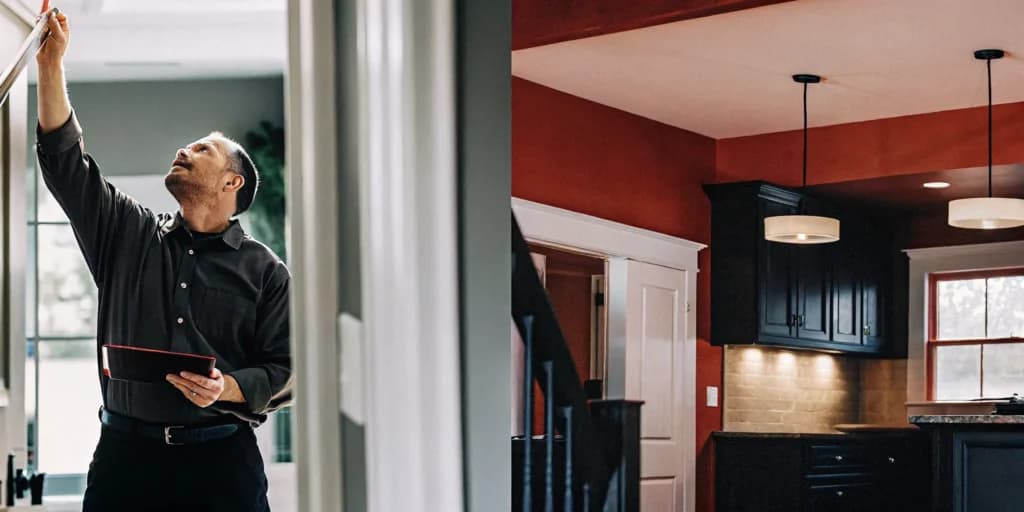
A single lamp that briefly flickers may need only a simple bulb check. When several lights pulse together, or flickering comes with buzzing, burning odors, or power loss, treat it as a warning.
Flickering lights in house settings can be normal when one bulb blinks because it is loose, mismatched with its socket, or paired with an older dimmer. A short dip when a large appliance starts may reflect a temporary load, but repeated or worsening flicker needs attention. Call an electrician when multiple rooms flicker, lights brighten and dim without a clear cause, breakers trip, or the issue continues after a bulb check. Burning smells, buzzing, sparks, and partial power loss are urgent warning signs; My Electrician offers 24/7 emergency electrical service for these conditions. A licensed electrician can safely determine whether the cause is a fixture, overloaded circuit, loose connection, damaged wiring, main service issue, or utility problem.
The key decision is not simply why the lights flicker, but whether the pattern points to a minor fixture issue or a safety risk. Flickering lights in house: quick answer for Port St. Lucie homes sorts those patterns by urgency, so you can respond without guessing. Here’s how.
Flickering lights in house: quick answer for Port St. Lucie homes
Flickering lights in a house mean the light level is changing when it should stay steady. The U.S. Department of Energy defines flickering light as the perception of unsteady light intensity. The cause may be as small as a loose bulb or as serious as a poor electrical connection.
One flickering light
Start by noting how many lights flicker. One affected fixture often points to the bulb, socket, switch, or dimmer near that light. Turn the light off and let the bulb cool before checking whether it is loose. Do not reach into a damaged socket or remove a switch plate.
An LED bulb may also flicker when paired with a dimmer that does not suit it. If a known working bulb still flickers in that fixture, stop testing and have the fixture checked. This keeps a small repair from hiding a loose connection.
Several lights or the whole house
Flickering across one room, several rooms, or the whole house deserves more attention. It may point to a circuit, breaker, panel, wiring, or utility supply issue. Note whether the flicker begins when an air conditioner or other large appliance starts. That detail can help an electrician trace the source.
Do not open the electrical panel or tighten wiring yourself. A panel can remain hazardous even when the main breaker is off. Port St. Lucie homeowners can use this breaker box guide to learn the panel’s role without touching its parts.
Signs that need urgent help
Flickering becomes urgent when it comes with a burning smell, buzzing sound, sparks, heat, repeated breaker trips, or power loss. Leave the affected area, avoid the panel, and call for help. If smoke or fire is present, get outside and call 911.
- Stop using the affected light, outlet, or appliance.
- Keep people away from hot, sparking, or scorched equipment.
- Seek emergency electrical service when warning signs appear.
Treasure Coast storms and neighborhood power changes can also cause brief flicker. Still, repeated or worsening flicker should not be dismissed as normal. Record which lights are affected and when the issue occurs, then schedule an electrical check.
When are flickering lights normal, and when should you call?
A brief flicker does not always mean your home has a serious electrical fault. The key clues are how often it happens, how many lights change, and what else occurs. A single lamp that flickers once needs a different response than flickering lights in house rooms at the same time.
Flicker patterns that may be minor
The U.S. Department of Energy defines flicker as a visible change in light output over time. Some changes have a simple cause. One loose bulb may flicker because it is not making steady contact in its socket.
Turn the light off and let the bulb cool before checking it. If tightening the bulb stops the issue, watch the fixture for any return. A lamp may also dim for a moment when a large appliance starts. That brief change can point to a heavy power draw, but repeated or strong dimming still needs attention.
Normal signs versus call-an-electrician signs
Use the pattern, not one flicker, to guide your next step. The table below separates issues you can monitor from warning signs that need a licensed electrician. Stop using any switch, fixture, or appliance that smells burnt, makes noise, or feels warm.
| Situation | May be minor or worth monitoring | Call an electrician |
|---|---|---|
| Single fixture | One loose bulb flickers and stops after tightening. | Flicker returns, or a new bulb does not solve it. |
| Appliance startup | Lights dip once as a large appliance starts. | Lights dim hard, stay dim, or flicker on each cycle. |
| Across rooms or whole home | A brief event happens once and does not return. | Several rooms flicker, or lights dim across rooms often. |
| Smell, sound, or heat | No burning smell, buzzing, or unusual warmth is present. | Burning smell, buzzing, or warm switches occur. |
| Breaker behavior | No breaker trips during the brief flicker. | The same breaker trips again after being reset once. |
| Frequency and spread | The issue stays isolated and does not return. | Flicker gets more frequent or spreads to other fixtures. |
When the pattern needs prompt help
Whole-home flicker can point to a wider wiring, panel, or utility supply issue. Lights that dim across rooms also deserve a prompt check. These patterns affect more than one fixture, so replacing one bulb will not explain the full problem.
Recurring breaker trips are another clear reason to call. A breaker may trip when a circuit draws too much power, but repeated trips can also signal a fault. Do not keep resetting it. Our breaker box guide explains the panel’s role and common warning signs.
Treat burning smells, buzzing, warm switches, or power loss as urgent warning signs. Turn off the affected device only if you can do so safely. Then use emergency electrical services instead of waiting for the next flicker. These signs can occur with a loose connection or another fault that needs professional testing.
Common causes of flickering lights inside a house
Flickering lights in a house can start with one loose bulb or point to a wider electrical problem. The pattern often gives the first useful clue. Note whether one fixture, one room, or the whole house flickers, and whether an appliance or storm triggers it.
Bulbs, fixtures, and dimmer switches
A loose bulb may lose contact with the socket and flicker as a result. Turn the light off, let the bulb cool, and check that it sits firmly. A worn socket can cause the same pattern. If a secure bulb still flickers, stop using that fixture until it can be checked.
LED bulbs can also flicker when paired with an incompatible dimmer. The bulb and dimmer must be designed to work together. Flicker itself means visible changes in light output, according to the U.S. Department of Energy’s flicker guide. Replacing the bulb may help, but repeated flicker across several fixtures needs a closer look.
Connections, circuits, and aging equipment
A loose switch, outlet, wire connection, or plug can interrupt power for a moment. This may affect one light or several fixtures on the same circuit. Do not remove an outlet or switch cover to search for the loose point. Hidden connections can stay energized even when a nearby light is off.
An overloaded circuit may make lights dip or flicker when a large appliance starts. Air conditioners, refrigerators, and other heavy loads can expose a weak or crowded circuit. The issue may be the circuit layout, a loose connection, or an appliance drawing power. Moving plugs around is not a safe long-term fix.
Older wiring can develop worn insulation, weak splices, or loose terminals over time. These faults may cause flickering that spreads beyond one fixture. Review the warning signs linked with faulty wiring, especially if the home also has warm outlets, odors, or buzzing sounds.
Panel, utility, and Florida weather issues
A worn breaker or loose connection inside the electrical panel can affect an entire circuit. Trouble at the main connection may cause lights throughout the house to flicker. Breakers that trip, feel hot, or make noise need prompt attention. A licensed electrician should inspect the panel because it contains live parts.
Some whole-house flicker starts outside the home. A utility-side voltage change, damaged service line, or neighborhood equipment problem can disrupt the incoming power. Check whether nearby homes or streetlights show the same problem. If they do, report the issue to the utility and avoid touching damaged lines.
Florida storms add another set of possible causes. Wind can damage overhead service equipment, while rain may reach damaged outdoor boxes or connections. After a storm, watch for flickering paired with water near electrical equipment, partial power loss, or repeated breaker trips. Keep clear of wet equipment and downed lines.
The cause is less likely to be a bulb when several rooms flicker at once. The same is true when flicker starts with buzzing, burning odors, heat, or power loss. Those are signs you need electrical repairs, not a reason to keep testing switches or breakers.
Safe checks to do before calling an electrician
Start with checks that keep you away from live electrical parts. The U.S. Department of Energy defines flickering light as the perception of unsteady light intensity. That visible change can come from a bulb, an appliance load, the utility supply, or a fault that needs professional testing.
Do not remove outlet covers, open the electrical panel, or touch wiring. These steps help you gather useful details without taking on unsafe electrical work.
A safe five-step check
-
Turn the light off and let the bulb cool. Once it is cool, gently tighten the bulb without forcing it. Turn the light back on and note whether the flicker returns.
-
Watch for a pattern. Note which lights flicker, when it starts, and how long it lasts. Check whether it affects one fixture, one room, or the whole house.
-
Unplug high-load devices. Safely unplug portable heaters, air fryers, hair dryers, or other large devices near the affected area. If flickering stops, record which device was running.
-
Check outside the home. Ask nearby neighbors whether their lights are flickering or look for a reported utility outage. A shared problem may point to the power supply rather than one home’s equipment.
-
Stop before any electrical DIY. Do not reset a breaker that trips again, replace a switch, or test exposed parts. Leave panel, outlet, switch, and wiring checks to an electrician.
Details worth recording
A short record can help an electrician narrow down the cause. Write down the affected rooms, time of day, weather, and appliances running when flickering starts. Note any dimming, buzzing, heat, odor, or power loss as well.
Repeated flickering can be one of the signs you need electrical repairs. Even if tightening a cool bulb helps once, call My Electrician if the issue returns or spreads.
When to stop checking
Stop at once if you notice a burning smell, buzzing sound, heat, sparks, or power loss. Move away from the affected area and avoid touching switches or devices there. My Electrician offers emergency electrical services for urgent problems.
If there are no urgent warning signs, keep the area clear until it can be checked. Your notes can show whether the flickering lights in house seem tied to one fixture, a device, or a broader power issue.
Are flickering lights in a house a fire hazard?
Yes, flickering lights can point to a fire hazard when loose wiring, arcing, or an overheated part disrupts the circuit. A single bulb that briefly flickers may have a simple cause. Flickering across several rooms, repeated dimming, or new symptoms need faster attention.
The U.S. Department of Energy defines flickering light as the perception of unsteady light intensity. That visible effect does not show its cause. The pattern and other warning signs help show whether the problem may be unsafe.
Warning signs that need urgent action
Do not ignore flickering paired with heat, sparks, smoke, a burning smell, or buzzing from a switch, outlet, light, or panel. These signs can point to a failing connection or electrical arcing. A hot faceplate or device is also a reason to stop using that circuit.
- Lights flicker throughout the house or across several rooms.
- Flickering starts when no large appliance turns on.
- A breaker trips often, will not reset, or trips again at once.
- An outlet, switch, fixture, or electrical panel makes a buzzing sound.
- You see sparks, scorch marks, melted plastic, smoke, or exposed wire.
- You notice a burning or hot-plastic smell near electrical equipment.
Frequent breaker trips matter because the breaker is reacting to a problem on the circuit. Do not keep resetting it to restore power. Flickering and repeat trips are among the signs you need electrical repairs.
What to do right away
If you smell burning, see sparks, or notice smoke, move away from the affected area. Leave the home and call emergency services if there is fire or heavy smoke. Never touch a hot panel, outlet, switch, or device.
If it is safe, turn off the affected circuit at the breaker and stop using connected devices. Do not remove outlets, open the panel, or test wiring yourself. Loose connections can sit behind walls or inside electrical boxes where they are hard to see.
When to call an emergency electrician
Call an emergency electrician now when flickering comes with burning smells, buzzing, sparks, power loss, hot devices, or repeated breaker trips. Widespread dimming that begins without a clear appliance load also deserves prompt review. My Electrician offers 24/7 emergency electrical service for urgent problems in the Treasure Coast and Palm Beaches area.
For flickering without danger signs, switch off the affected light and note when the problem happens. An electrician can check the fixture, circuit, connections, and panel. This safety-first check helps find loose or faulty wiring before the problem gets worse.
How an electrician diagnoses flickering lights
A licensed electrician starts by learning where and when the flicker occurs. One unsteady fixture points toward a different fault than flickering lights throughout the house. This pattern helps narrow the search before any parts are replaced. The goal is to find the cause, not guess at a fix.
Fixture and circuit checks
The first checks often cover the bulb, fixture, switch, and nearby outlets. The electrician may inspect each connection for looseness, wear, heat damage, or a poor fit. They can also test whether a dimmer and light work well together. These checks help separate a local fixture issue from a wider circuit fault.
Next, the electrician traces the affected circuit and reviews its load demand. They note whether the flicker starts when an air conditioner or another large appliance turns on. Breakers and panel connections may also need inspection. A breaker box guide can help homeowners understand the parts being checked.
- Fixture, bulb, socket, switch, and outlet condition.
- Wire connections along the affected circuit.
- Load demand when major appliances start.
- Breaker operation and panel connection condition.
These observations give the electrician a starting point before deeper testing begins.
Voltage and panel testing
Voltage tests show whether power stays steady at the fixture, circuit, and panel. They can help reveal a problem inside the home or suggest an issue with the incoming supply. The U.S. Department of Energy explains light flicker as the perception of unsteady light intensity. That visible change gives the electrician a useful symptom to measure.
The electrician may compare readings while different loads are running. They can inspect breakers, neutral connections, and panel parts based on those results. If several rooms flicker at once, the inspection may extend beyond one branch circuit. This step helps avoid replacing a fixture when the fault is elsewhere.
Diagnostic tools and next steps
My Electrician uses infrared cameras and circuit analyzers for accurate electrical troubleshooting. An infrared check can guide attention toward unusual heat, while a circuit analyzer helps assess circuit behavior. These tools support the visual inspection and voltage readings. Findings from several checks give the electrician a clearer basis for the repair.
After testing, the electrician should explain the fault, the repair needed, and any urgent safety concern. Some cases call for a loose connection repair, while others may involve a breaker or panel issue. Homeowners can review other common electrical issues that may appear with unstable power. Burning smells, buzzing, or power loss warrant prompt professional attention.
Why local homes need prompt electrical repair
South Florida conditions
Homes and businesses in Port St. Lucie, Vero Beach, Fort Pierce, Stuart, and Jupiter face demanding electrical conditions. Storm season can bring sudden power changes, while year-round humidity can add stress to exposed or worn parts. These local factors make recurring flicker worth prompt attention.
After a storm, compare the timing and reach of the flicker. A neighborhood-wide event may point to utility service, while a pattern limited to one property needs an on-site check. Shops and offices should also note whether the issue starts when major equipment turns on.
The U.S. Department of Energy defines flicker as the perception of unsteady light intensity. That visible change may seem minor, but it can be a useful warning sign. Its flicker basics explain how changes in a light source can affect what people see.
Changing demands on older systems
Older panels and wiring may struggle as a property’s electrical needs grow. Renovations can add new circuits, fixtures, and outlets to a system that was built for a lighter load. Large appliances, air conditioners, pool equipment, and office devices can place more demand on shared circuits.
A brief dip when one large appliance starts can have a clear cause. Flickering lights in house fixtures that recur, spread, or happen without a clear trigger need a closer look. They may point to one of several common electrical issues, including a loose connection or circuit problem.
Why waiting can raise the risk
Repeated flicker is not a repair plan. A loose or worn connection can keep interrupting power, and the fault may worsen with use. Delaying service also makes it harder to tell whether the cause sits at one fixture, one circuit, the panel, or the utility supply.
Watch for changes in the pattern. Note whether flicker affects one room or the whole property, and whether an appliance starts at the same time. Buzzing, a burning smell, heat, sparks, or power loss call for urgent help rather than more testing.
A licensed electrician can trace the cause before replacing parts or adding more load. Property owners can also review the signs you need electrical repairs when deciding how soon to schedule service. Prompt diagnosis helps separate a simple fixture issue from a wider fault.
Frequently Asked Questions
Do flickering lights indicate an electrical problem?
Flickering lights can indicate an electrical problem, but a single flickering fixture may only have a loose bulb or incompatible dimmer. If flickering continues after the bulb is tightened or replaced, the cause may involve a loose connection, overloaded circuit, or faulty wiring. An electrician should inspect repeated flickering, especially when it affects several lights.
Why are all the lights in my house suddenly flickering?
Sudden flickering throughout a house may result from a utility supply problem, voltage changes, an overloaded circuit, or a loose connection near the electrical panel. Check whether nearby properties also lost stable power, then contact the utility if they did. If only your property is affected, have an electrician inspect the electrical system promptly.
Can flickering lights be a fire hazard?
Flickering lights can signal a fire hazard when the cause is loose or damaged wiring, which may create excess heat. Flickering with burning smells, buzzing sounds, or power loss requires urgent attention, according to My Electrician. Turn off the affected circuit if it is safe to do so, and contact an emergency electrician.
Can a bad circuit breaker cause lights to flicker?
A worn, loose, or failing circuit breaker can cause lights to flicker by interrupting steady power to a circuit. Other problems, including overloaded circuits and loose wiring, can create similar symptoms. Do not remove the panel cover or attempt breaker repairs yourself. An electrician can test the breaker, its connections, and the circuit before recommending replacement.
Ready to Stop Worrying About Flickering Lights?
Ignoring repeated flickering can allow a small electrical concern to become harder to manage, interrupt daily routines, or leave your property without dependable lighting. Acting today gives an electrician time to inspect the system, identify the source, and explain the right next step before conditions become urgent. A prompt evaluation also helps you plan repairs around your schedule instead of reacting after a sudden outage or another warning sign appears.
Ready to replace uncertainty with a repair plan? Schedule Service for flickering lights or urgent electrical repair, so you can choose the right timing and avoid waiting for the problem to worsen. Contact My Electrician today to discuss what you have noticed and arrange a practical next step for your home or business.

Theresa Dudek
Theresa Dudek is Marketing Coordinator at My Electrician, Inc., a licensed electrical contractor serving the Treasure Coast and Palm Beach County since 2000. She oversees content strategy and client communications.
Related Electrical Services
Need help with this issue? These My Electrician services are a good next step.