
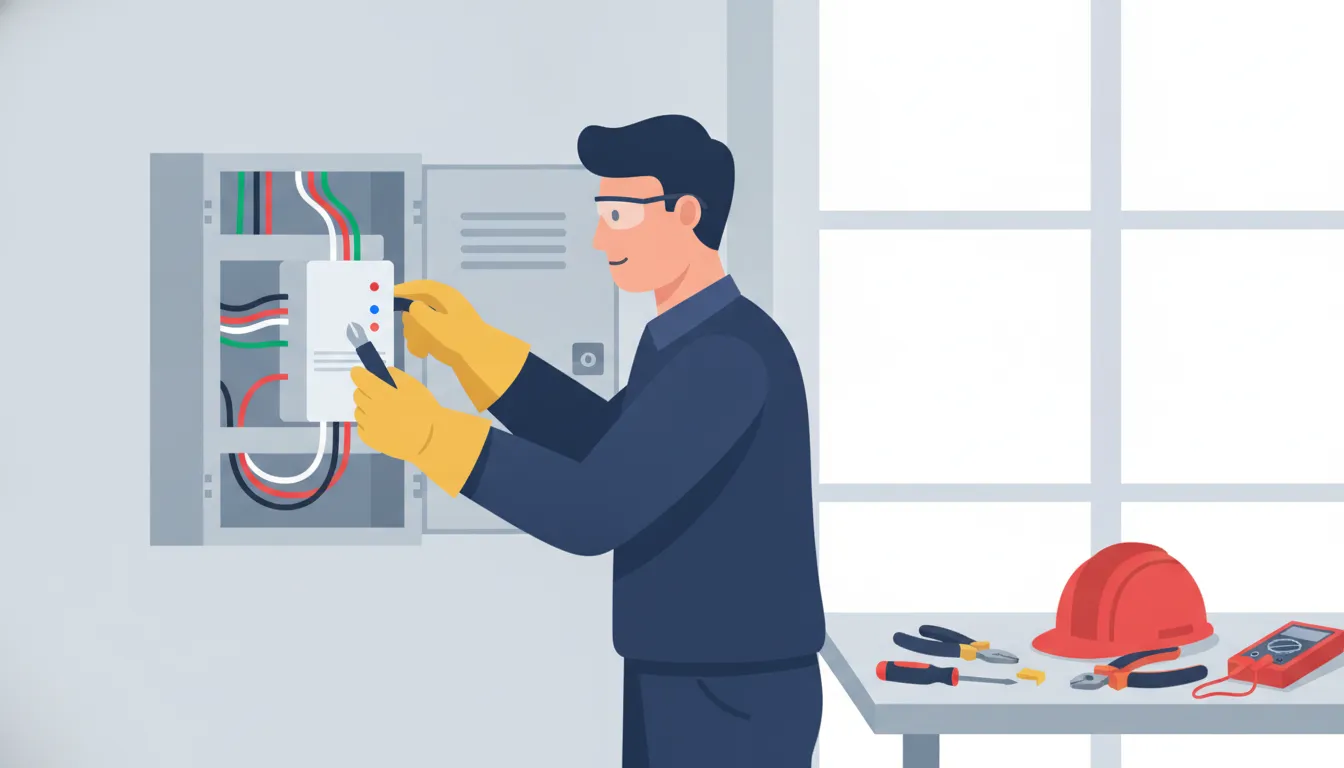
When a storm rolls through Port St. Lucie, the damage may not stop when the lights come back on. A sudden voltage spike can ruin a television, computer, HVAC control board, or other expensive equipment immediately, or weaken it until it fails later. That risk matters across Florida's Treasure Coast, where homeowners deal with frequent lightning and utility-related power disturbances.
Whole house surge protector installation connects a surge protective device directly to your main electrical panel. Where it helps divert high-voltage spikes away from connected appliances, electronics, and HVAC equipment. It is a practical layer of protection for a Florida home, but it does not guarantee safety from a direct lightning strike.
Unlike a plug-in power strip, a whole-home device protects circuits throughout the house rather than just one outlet. Because the work involves the service panel, proper breaker selection, grounding, and careful wiring, it should be evaluated and completed by a qualified electrician. Here is what the installation actually involves and what homeowners should expect.
What a Whole House Surge Protector Installation Involves
If your lights flicker after a storm, a television stops working. Or your HVAC system seems unusually vulnerable to power changes, a surge protector can help protect the equipment your home depends on. A power surge is a sudden increase in electrical voltage. It may damage electronics immediately, or weaken sensitive components and shorten their useful life over time. Modern appliances with delicate microelectronics are especially susceptible to these spikes.
Unlike a plug-in power strip, a whole-house system is connected at the point where electricity enters your home. The device is wired directly into the main electrical panel, where it can help divert excess voltage before it travels through the home's outlets and connected circuits. That broad coverage can include appliances, computers, televisions, and HVAC equipment.
How the device connects to your panel
During a professional installation, an electrician first inspects the panel to confirm that it is suitable for the device and that the installation can be completed safely. The surge protective device is then connected to a dedicated two-pole breaker. The breaker is commonly in the 20- to 50-amp range, but the correct size must match the manufacturer's specifications and applicable local code.
The installation also includes connections to the panel's neutral and ground bus bars. These connections give the surge protector a controlled path for diverting high-voltage energy away from the home's circuits. Proper sizing, grounding, and a short, correctly routed connection are important parts of making the system work as intended. The specific configuration depends on the panel, electrical service, and selected device.
What whole-house protection can help shield
- HVAC equipment and other motor-driven appliances
- Televisions, computers, networking equipment, and home office electronics
- Kitchen appliances and other devices with sensitive electronic controls
- Electrical circuits connected throughout the home, rather than only one outlet
A whole-house unit helps manage many weather-related, utility, and internal electrical surges, but it is not a guarantee against every event. Plug-in protectors can still be useful for especially sensitive equipment, creating a layered approach. If your panel is older, crowded, visibly damaged, or unable to accept the required breaker, the electrician may also recommend electrical panel upgrades before or alongside surge protection. That assessment helps ensure the installation supports your home's actual electrical needs instead of adding a device to an unsuitable panel.
Should You DIY Your Whole House Surge Protector Installation?
It is reasonable to wonder whether this project is similar to plugging a surge strip into an outlet. It is not. A whole-house surge protector is connected inside the main electrical panel. Where it can help protect the home's connected circuits from voltage spikes caused by storms, utility problems, or equipment within the home. That panel-level connection is also why installation should be handled by a licensed electrician.
Why is the electrical panel a safety concern?
Even when the main breaker is switched off, portions of the panel may remain energized. Working inside the panel can expose someone to severe electrical shock and arc-flash hazards. An arc flash can release intense heat and energy in an instant, causing serious injury or damaging the equipment. These are not risks that can be removed by watching a short installation video or using an ordinary household toolkit.
A professional electrician knows how to approach the panel safely, identify energized components, and follow the applicable safety procedures. They can also recognize conditions that may make the installation unsafe, such as damaged wiring. Poor grounding, corrosion, limited panel space, or an older panel that needs additional evaluation.
Is a whole-house protector just a larger plug-in device?
No. A plug-in protector is designed for a particular outlet or group of devices. A whole-house unit is wired into the panel and works at the system level. That lets it address surges entering through the utility supply as well as some internal surges created when large appliances start or stop. The goal is to help protect sensitive electronics, appliances, and HVAC equipment across the home, not just the devices connected to one power strip. Learn more about why whole-house protection is not a plug-and-play project.
What does professional installation add?
Before installing a device, an electrician should inspect the panel and confirm that the selected equipment, breaker, grounding, and connections are appropriate for the home's electrical system. Proper sizing and installation matter to the protector's performance and may also affect warranty requirements. The electrician can explain whether point-of-use protectors are still useful for especially sensitive equipment. Creating a layered approach rather than treating one device as a guarantee against every electrical event.
If you are considering whole house surge protector installation, do not open the panel and attempt the connection yourself. Have a qualified professional evaluate the system and explain the safest option for your home.
Does a Whole House Surge Protector Installation Protect Against Lightning?
Florida thunderstorms can bring more than heavy rain and wind. Lightning and storm-related utility disturbances can send a sudden voltage spike through a home's electrical system, putting televisions, computers, appliances, HVAC equipment, and other electronics at risk. Some damage is immediate. Other damage may weaken components and shorten their useful life before a homeowner notices a problem.
A whole-house surge protector is designed to respond to many of these transient events. When the voltage rises beyond a safe level. The protective device diverts excess energy through the home's grounding system instead of allowing as much of it to travel through connected circuits. This broad protection can address weather-related surges, utility issues, and some surges created inside the home by large equipment. The National Institute of Standards and Technology describes surge protective devices as components used to manage transient overvoltages in low-voltage circuits: NIST's residential surge protection guidance.
However, no consumer surge protector can promise that a direct lightning strike will leave a home and everything inside it undamaged. Lightning is powerful and unpredictable. A whole-house unit can reduce risk, but it is not a guarantee against every possible path or magnitude of electrical damage. The CDC recommends taking lightning seriously and following established safety practices during storms, including avoiding contact with electrical equipment and corded devices when lightning is present: CDC lightning safety guidance.
Why layered protection matters
The strongest practical approach combines protection at more than one point. A panel-mounted unit helps protect the home's incoming electrical system and connected circuits. Point-of-use surge protectors, such as properly rated power strips, add another layer for especially sensitive equipment. This does not make a direct strike harmless, but it gives a device more than one opportunity to manage a surge before it reaches delicate electronics.
Grounding and installation quality matter just as much as the device itself. Before adding protection, an electrician should evaluate the electrical panel, grounding path, and existing equipment. After a major storm or suspected electrical event, do not open the panel or assume a protective device is still operating normally. The CDC advises checking electrical systems and equipment for hazards after natural disasters, and a qualified professional can inspect the panel safely: CDC electrical hazard guidance.
For homeowners along Florida's Treasure Coast, professional whole house surge protector installation can provide a practical first layer of defense before the next storm. It is best viewed as risk reduction and part of a broader electrical safety plan, not as a promise that lightning cannot cause damage.
How Much Does Whole House Surge Protector Installation Cost?
Most homeowners want a useful budget range before scheduling an electrical inspection. For a quality unit plus professional labor, whole-house surge protector installation typically lands in the low-to-mid hundreds. That is a rounded planning range, not a guaranteed quote. The final cost depends on the condition and available space in your electrical panel, the surge protector brand and specifications, grounding and wiring needs, and local electrician rates.
A licensed electrician should inspect the panel before recommending a device. The installer needs to confirm that the panel can accept the equipment, select a properly sized unit, and verify that the connections and grounding are safe. That inspection is why an accurate price should be provided after reviewing the actual installation rather than quoting one universal number. My Electrician FL uses upfront flat-rate pricing, so you can understand the cost before work begins instead of watching an hourly meter.
| Protection option | What it protects | Coverage | Cost and DIY considerations |
|---|---|---|---|
| Point-of-use protector | Devices plugged into the power strip or outlet, such as a television or computer | One location or a small group of connected devices | Usually a lower-cost purchase and simple to plug in, but it does not protect the home's full electrical system |
| Whole-house surge protector | Connected appliances, electronics, HVAC equipment, and circuits throughout the home | Installed at the main panel to provide broader system-level protection | Typically a low-to-mid hundreds installation; panel work should be completed by a licensed electrician, not treated as a DIY project |
These options can work together. Point-of-use protection adds another layer for especially sensitive electronics, while a whole-house unit helps manage surges before they travel through the home's circuits. A whole-house device is a proactive way to reduce the risk of expensive appliance repairs, although no surge protector can promise protection from every electrical event.
Ask what the estimate includes: the unit, labor, panel inspection, installation, and warranty terms. My Electrician FL provides a 2-year warranty on parts and labor, giving homeowners additional confidence in the completed work. If you are comparing options or unsure whether your panel is ready, a licensed electrician can explain the recommendation and provide a clear, upfront flat-rate quote.
Want to Know How Whole House Surge Protector Installation Works?
Professional installation is a careful panel-level job, not simply plugging in a larger power strip. The electrician first confirms that the home's electrical panel can accept the device. Then connects the protector so excess voltage can be directed toward the grounding system before it reaches household circuits. That process helps protect appliances, HVAC equipment, computers, televisions, and other sensitive electronics from damaging transient events.
Although the work is often completed in about an hour, the time reflects an efficient, trained process rather than a shortcut. The exact steps may vary with the panel's age, condition, layout, and the manufacturer's instructions. A qualified electrician generally handles the installation as follows:
- Inspect the panel and grounding system. The electrician examines the service panel, available breaker spaces, existing wiring, and overall condition. They also confirm that the grounding and bonding arrangement is suitable. If the panel needs attention first, that issue should be addressed before adding a surge protective device. This inspection helps ensure the installation is compatible with the home's electrical system and local requirements.
- Select the correctly sized breaker and protector. A whole-house unit is connected directly to the main panel through a dedicated two-pole breaker. The breaker rating must match the surge protector manufacturer's specifications and applicable code. Choosing the right device and breaker is important for safe operation, performance, and any applicable warranty coverage. The electrician also considers the panel's voltage and configuration rather than treating every home as identical.
- Safely de-energize the work area. Before making connections, the electrician follows the appropriate shutdown and verification procedures. Turning off the main breaker alone does not eliminate every hazard inside a panel. Parts of the equipment can remain energized, and panel work can expose an untrained person to severe shock or arc-flash risk. Professional safety procedures are therefore a central part of the job.
- Wire the surge protector into the panel. The device is mounted and connected according to its design. The protected conductors connect through the dedicated breaker, while the neutral and grounding connections are secured to the appropriate bus bars. When a surge occurs, the device is designed to shunt excess electricity toward the ground bus bar instead of allowing the full event to travel through connected equipment.
- Verify every connection and test the result. After wiring, the electrician checks conductor contact, torque, grounding, breaker placement, and the protector's status indicators or other manufacturer-provided diagnostics. They restore power using the proper sequence and confirm that the system is operating as intended. The homeowner should also receive guidance on what the device's indicator means and when it may need inspection or replacement after a significant surge.
That combination of panel inspection, correct sizing, secure grounding, and final verification is what makes the installation dependable. If you are considering whole house surge protector installation in Port St. Lucie or elsewhere along the Treasure Coast, a qualified electrician can evaluate your panel and explain the safest option for your home.
Choose a Licensed Electrician for Your Whole House Surge Protector Installation
A whole-house surge protector connects to your home's electrical panel, so installation is more involved than plugging in a power strip. A licensed electrician can evaluate the panel, select equipment that fits the system, and complete the work with safety and code compliance in mind. That matters whether you are protecting a newer home in Palm Beach Gardens or an older property in Port St. Lucie, Stuart, or Vero Beach.
Why licensing and code knowledge matter
Electrical panels contain energized components that can create serious shock and arc-flash hazards. An experienced professional knows how to work safely around the panel and how to coordinate the surge protective device with the home's breakers, grounding, and service equipment. The installation should also follow applicable National Electrical Code requirements and local permitting or inspection rules when they apply.
A qualified electrician can identify conditions that deserve attention before the device is installed, such as an aging panel, inadequate grounding, limited space, or other electrical concerns. Addressing those issues first helps the protector perform as intended and reduces the chance of an installation that looks complete but does not provide dependable protection.
Look for clear service standards
Technical ability is only part of choosing the right contractor. Ask how the electrician will assess your panel, what equipment is being recommended, and what is included in the installation. Clear answers and upfront flat-rate pricing make it easier to understand the work before it begins, without guessing how many hours the job may take.
It is also reasonable to ask about experience and warranty coverage. My Electrician's technicians have a minimum of 10 years of experience, and the company provides a 2-year warranty on parts and labor. Those details offer useful context when comparing providers, especially when the goal is long-term protection for electronics, appliances, and HVAC equipment.
Choose local help when conditions are urgent
Storms and power disturbances do not always happen during convenient business hours. My Electrician provides 24/7 emergency service for customers throughout the Treasure Coast and Palm Beaches, from Palm Beach Gardens through Vero Beach. When you are ready to compare options or have your system evaluated, learn more about our team and explore the available electrical services. A local, licensed professional can help you choose practical protection for your home without using alarmist claims or one-size-fits-all recommendations.
Frequently Asked Questions
How long does whole house surge protector installation take?
A qualified electrician can often complete the installation in about an hour, although panel access, available space, and the panel's condition can change the timeline. The electrician should inspect the panel first and confirm that the protector and dedicated breaker are appropriate for the system.
Can I install a whole house surge protector myself?
No. The work requires connections inside the main electrical panel, where severe shock and arc-flash hazards remain possible even when the main breaker is off. A licensed electrician can install the device, verify the connections, and protect the safety of the electrical system.
Does a whole house surge protector protect against a direct lightning strike?
It helps defend against many weather-related voltage spikes, but no consumer device can guarantee that a direct lightning strike will not cause damage. For stronger coverage, use the panel-mounted protector with point-of-use protection for sensitive equipment, creating a layered approach.
What is the difference between a whole house surge protector and a power strip?
A power strip protects equipment connected to one outlet. A whole-house unit is wired at the main panel and helps protect the panel and connected circuits, including appliances, HVAC equipment, computers, and televisions. Using both provides broader protection than either device alone.
How much does whole house surge protector installation cost?
Pricing depends on the panel's condition, the protector selected, and the installation requirements. A professional can inspect the panel and provide an accurate, upfront quote instead of guessing from a general estimate. Ask what equipment, labor, and warranty coverage are included before approving the work.
Schedule Whole House Surge Protector Installation
A properly installed whole-house surge protector can help protect your home's connected electronics from many everyday voltage spikes and storm-related surges. For guidance based on your electrical panel and home's needs, schedule service with My Electrician FL. Schedule Service by calling 877-762-7483 and talk with the team about the right next step for your Treasure Coast home.