
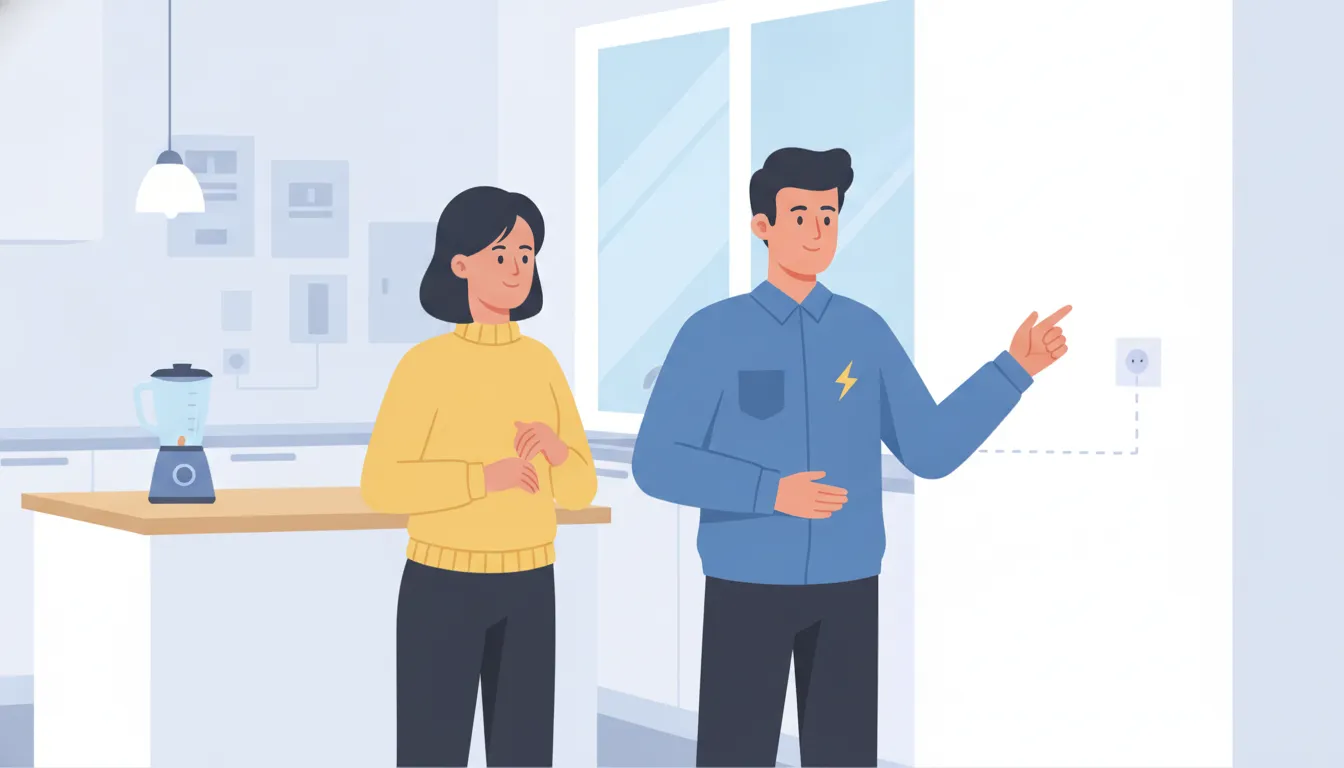
If a breaker trips whenever the dishwasher, space heater, or other high-demand appliance runs, the problem may be more than an inconvenience. Several appliances drawing power from the same circuit can create nuisance trips, overheat wiring, and increase fire risk.
In general, what requires a dedicated circuit includes appliances rated around 1,000 watts or more when they run for extended periods, along with many 240-volt appliances. Electric ranges, dryers, water heaters, central air-conditioning equipment, and electric furnaces commonly need their own breaker and electrical line. Exact requirements depend on the appliance, its rated load, the wiring, and applicable NEC and local code provisions.
A dedicated circuit is designed to serve one appliance or device, so the breaker can protect that specific load without competing with other outlets. Understanding how these circuits work makes it easier to recognize warning signs and identify which equipment should be evaluated before installation.
Schedule a dedicated circuit installation in South Florida today and get an honest assessment of whether your appliance needs its own line before a breaker trips or wiring overheats.
What Is a Dedicated Circuit and Why Does It Matter?
If one appliance repeatedly trips a breaker, dims nearby lights, or seems to struggle when other equipment is running, the problem may be the circuit serving it. A dedicated circuit is an individual electrical line with its own breaker that powers only one appliance or device. The breaker is sized for the specific load that circuit is designed to carry.
By contrast, a general-purpose circuit may supply several outlets, lights, or smaller appliances. That arrangement can work when the combined demand stays within the circuit's capacity. It becomes a concern when a high-demand appliance shares the line with other equipment, especially if the appliance runs for a long time.
How does a dedicated circuit improve safety?
A dedicated circuit separates one appliance's electrical demand from everything else connected to the home. This helps prevent a dangerous overload, which can cause the breaker to trip repeatedly. Breaker trips are an important warning that the circuit is being asked to carry more load than it can safely handle. Continuing to reset the breaker without addressing the cause can allow wiring to overheat and create a fire hazard.
Separating the appliance also helps reduce nuisance tripping. For example, a high-load device may not trip the breaker every time, but it can leave little capacity for other equipment on the same circuit. A dedicated line gives the appliance a properly sized path and helps other outlets and devices operate without competing for the same capacity.
Why does the electrical code matter?
Dedicated circuits are not only a convenience. They are part of safe electrical design and help installations comply with the National Electrical Code, commonly called the NEC. The NEC requires all 240-volt appliances to be on dedicated circuits. Other appliances may also need their own circuit based on their electrical load, how long they operate, and the applicable installation requirements.
The right answer depends on the appliance, its rating, and the wiring already in the home. If you are unsure whether an appliance has its own circuit, check whether a single breaker in the electrical panel is labeled for that appliance. Panel labels can be incomplete or inaccurate, so do not assume a circuit is dedicated based on the label alone. A licensed electrician can confirm what the circuit actually serves and whether the breaker, wiring, and appliance are properly matched.
What Requires a Dedicated Circuit in Your Home?
A dedicated circuit is usually the right choice for an appliance that draws substantial power, particularly when it runs for an extended period. As a practical guideline, equipment rated at about 1,000 watts or more often needs its own circuit. The exact requirement depends on the appliance, the length of use, the circuit rating. And applicable electrical code, so wattage is a useful starting point rather than a substitute for an electrical assessment.
Duration matters because a short burst of high demand is different from a steady load. An 1,800-watt hair dryer may run for only a few minutes, and it may be able to share a properly sized general-use circuit. An 1,800-watt electric fireplace, however, may operate for hours. That sustained demand makes a dedicated circuit much more appropriate, especially if other devices are connected to the same circuit.
Which types of equipment commonly need one?
Dedicated circuits are common for appliances and equipment that produce heat, use motors, or consume significant power. Examples include:
- Electric ranges, ovens, and cooktops
- Refrigerators and stand-alone freezers
- Dishwashers and many built-in microwaves
- Electric clothes dryers and washing machines
- Central air-conditioning equipment, heat pumps, and electric furnaces
- Electric water heaters and long-running space heaters
- Electric vehicle chargers, hot tubs, pool pumps, and well pumps
Some appliances in this list have specific circuit requirements. For example, electric equipment operating at 240 volts generally needs a dedicated circuit, while an appliance using 120 volts may still need one because of its sustained load. A small countertop microwave may draw less power and sometimes share a kitchen circuit, while a larger built-in model can require its own circuit.
The warning signs of an overloaded circuit often appear before a serious failure. You may notice a breaker that trips when an appliance starts, lights that flicker, warm outlets, buzzing, or an extension cord that feels hot. Do not solve those symptoms by repeatedly resetting the breaker or moving a high-wattage appliance to another outlet. That can shift the load without correcting the underlying problem.
A dedicated circuit gives one appliance a properly sized path from the electrical panel, but adding one is not a do-it-yourself outlet upgrade. Circuit capacity, wire size, breaker type, panel space, grounding, and local requirements all need to match the equipment. The appliance-specific sections below explain the most common kitchen, laundry, and home-system examples in more detail.
Kitchen Appliances That Need a Dedicated Circuit
Kitchen appliances can draw substantial power, especially when heating, cooling, or running a motor. Connecting too many of them to one circuit may lead to nuisance breaker trips, flickering lights, or an outlet that feels warm. The following appliances commonly need their own circuit, although the exact requirements depend on the appliance specifications and your home's wiring.
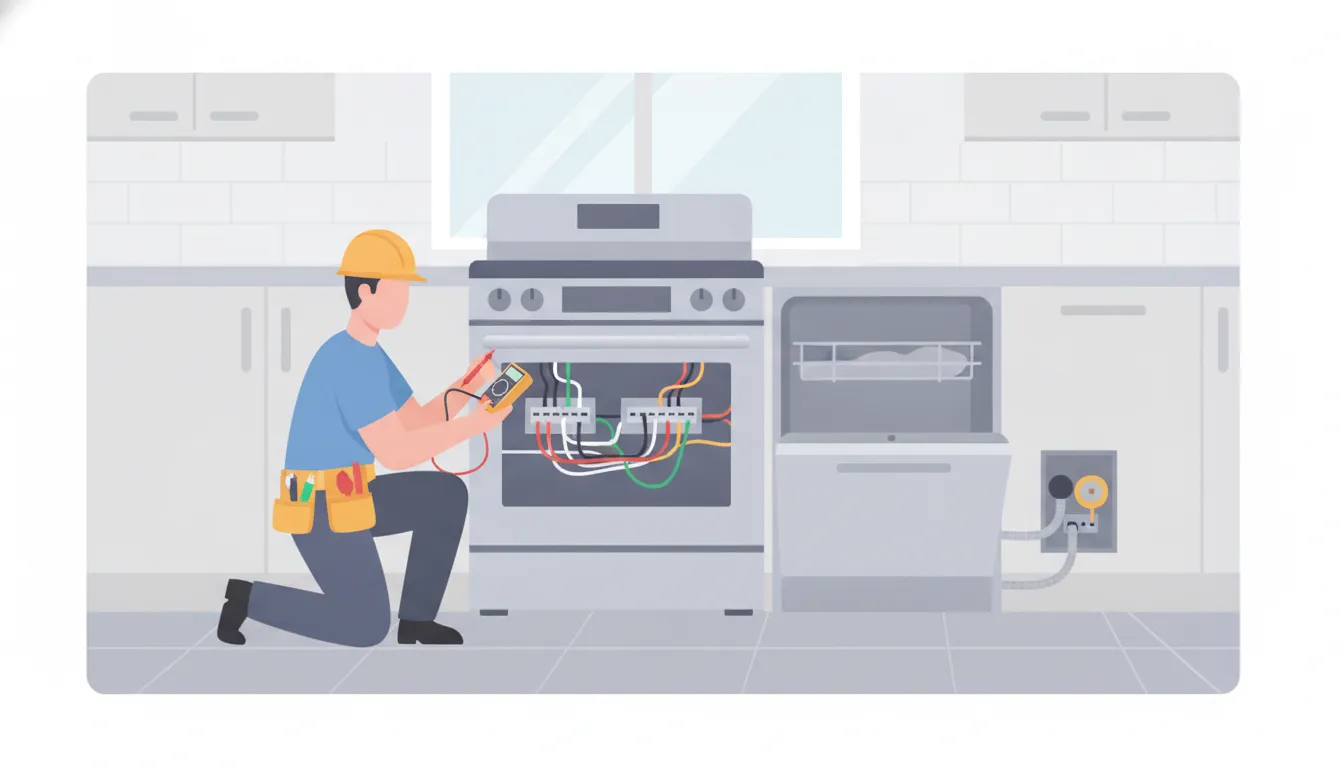
- Electric range, oven, or cooktop: These appliances typically require a 40- to 50-amp dedicated circuit because of their high heating load. A range should not share its circuit with other kitchen equipment.
- Refrigerator: A refrigerator commonly needs its own 15- or 20-amp circuit. Dedicated power helps prevent nuisance trips that could interrupt cooling and put food at risk.
- Dishwasher: A dishwasher generally requires a dedicated circuit. Its motor and heating elements can create a substantial demand, particularly when the dishwasher operates at the same time as other appliances.
- Stand-alone or chest freezer: A freezer should have a dedicated circuit so its compressor can start reliably without competing with other loads. This also helps protect the food stored inside if another appliance causes a trip.
- Built-in or large microwave: Built-in and over-the-range microwaves often draw about 1,000 watts or more and are typically placed on a dedicated circuit, often 20 amps. Check the manufacturer's requirements before connecting one.
- Garbage disposal: A disposal is commonly assigned its own circuit because its motor draws more power when starting or when it encounters resistance. It should also have the required protection for its installation location.
Can a countertop microwave share a circuit?
Sometimes. A compact countertop microwave rated around 700 watts or less may be able to share a general-use kitchen circuit. Provided the circuit has enough capacity and no other high-demand appliances are operating on it. That does not mean every countertop microwave can share safely. The rating label, outlet arrangement, and other connected loads all matter.
Common kitchen appliance circuit needs at a glance
| Appliance | Typical circuit | Dedicated circuit? |
|---|---|---|
| Electric range, oven, or cooktop | 40-50 amps, 240 V | Yes |
| Refrigerator | 15-20 amps | Yes |
| Dishwasher | 15-20 amps | Yes |
| Stand-alone or chest freezer | 15-20 amps | Yes |
| Built-in or large microwave | 20 amps | Yes |
| Compact countertop microwave | Shared 15-20 amp general circuit | Usually not required |
| Garbage disposal | 15-20 amps | Yes |
If a microwave, dishwasher, disposal, or refrigerator repeatedly trips the breaker, do not keep resetting it or rely on an extension cord. A dedicated circuit installation can provide the correctly sized circuit for the appliance and help identify whether an existing wiring problem is contributing to the symptoms.
Laundry, HVAC, and High-Load Home Equipment
Laundry and climate-control equipment can draw substantial power for extended periods. If a breaker trips when the dryer starts, the air conditioner runs, or the water heater reheats. The appliance may be sharing a circuit that cannot safely handle the load. Knowing what requires a dedicated circuit helps you recognize when a panel or wiring review is needed.
Dryers and washing machines
An electric clothes dryer needs its own 20-amp, 240-volt circuit. The dryer heating element creates a sustained demand that should not be combined with other major appliances or general-purpose receptacles. A gas dryer may have different electrical requirements, but the exact setup should still match the appliance manufacturer's specifications and the home's wiring.
A washing machine uses 120 volts, yet it should still be supplied by a dedicated 20-amp circuit. The motor can create a temporary startup demand, and the washer may operate at the same time as other laundry equipment. Keeping it separate reduces the chance that a nearby appliance or outlet overload will interrupt a wash cycle.
Central air conditioning and heat pumps
Central AC compressors and heat pumps should be connected to dedicated circuits. These systems use 240 volts and can require significant current when the compressor starts. The circuit must be sized for the equipment's electrical requirements, including the information shown on the unit's nameplate. In general, the National Electrical Code requires 240-volt appliances to have dedicated circuits, which is why HVAC equipment should not share power with ordinary household outlets.
A breaker that trips whenever the system starts is not something to repeatedly reset. It may point to an overloaded electrical circuit, a sizing issue, a failing component, or another wiring concern. You can read more about common causes when your breaker keeps tripping.
Water heaters and electric furnaces
Electric water heaters require a dedicated 240-volt circuit because their heating elements operate at a high, sustained load. An electric furnace or whole-home electric heating system also needs its own circuit. Space heaters and electric fireplaces used for long periods may need dedicated service as well, particularly when they are rated around 1,000 watts or more.
Do not solve a recurring trip by installing a larger breaker. The breaker, wire, disconnects, and appliance must be matched correctly. A qualified electrician can verify the load, inspect the panel, and determine whether a dedicated circuit or broader electrical correction is appropriate.
How Do You Know if a Circuit Is Dedicated?
If a breaker trips whenever you run a particular appliance, you may wonder whether that appliance is sharing a circuit with too many other devices. A dedicated circuit feeds one outlet or one permanently connected appliance, rather than serving several general-use receptacles throughout the room.
The first clue is the appliance's behavior. Turn off or unplug other devices on the same circuit, then use the appliance normally. If the breaker trips only when the appliance runs, especially when another high-demand device is operating nearby, the circuit may be overloaded or improperly sized. That symptom does not prove the circuit is shared, however. A worn breaker, damaged wiring, or an appliance problem can cause similar tripping.
Check the breaker panel labeling
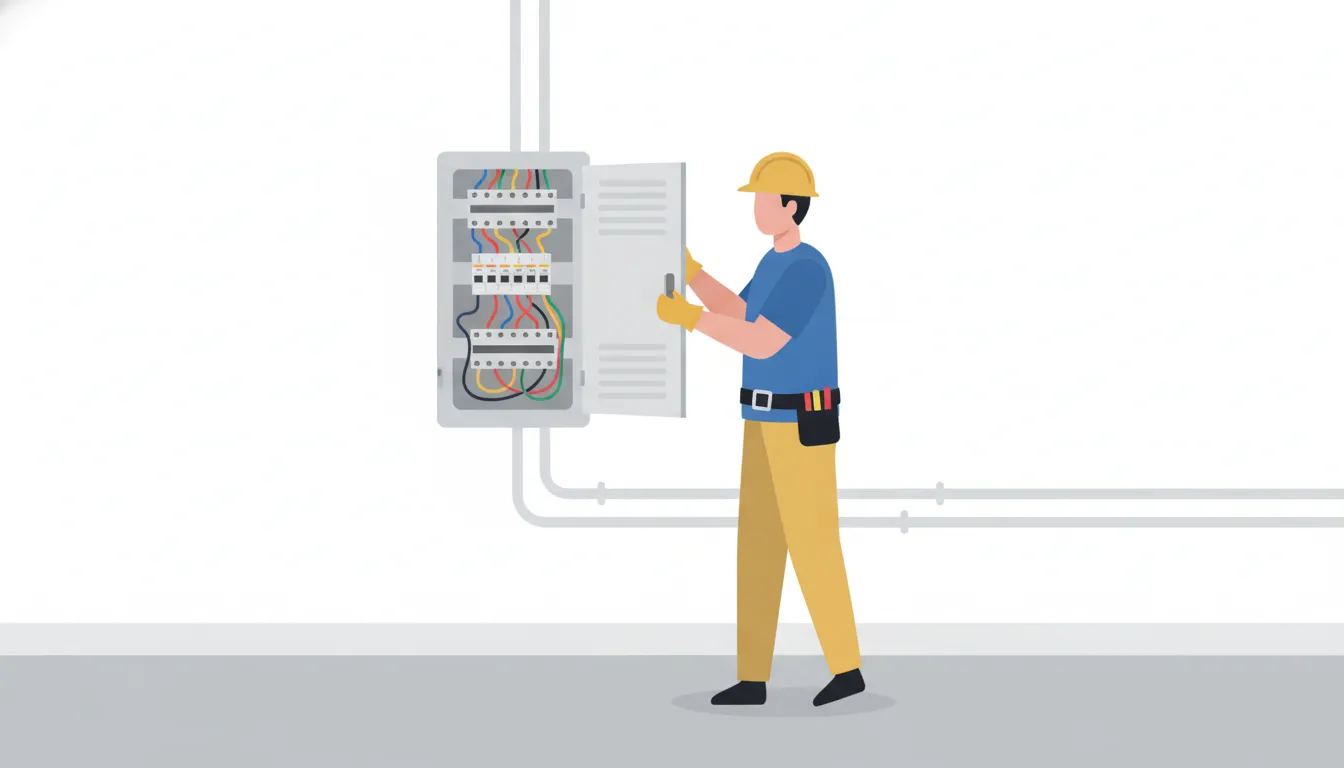
Look at the labels inside the electrical panel. A dedicated circuit often has a single-pole or double-pole breaker labeled for one appliance. Such as "range," "dryer," "water heater," or "air conditioner." A 240-volt appliance typically uses a linked double-pole breaker. A label that names one appliance is a useful clue that the circuit was intended for that equipment.
Panel labels are not always accurate or complete, particularly after remodeling or appliance changes. Do not remove the panel cover, touch wiring, or move breakers to test a circuit. Labels can also identify the intended load without confirming that the wiring actually runs to only one outlet or appliance.
What confirms a dedicated circuit?
A licensed electrician can trace the circuit from the panel to the outlet or appliance. Verify what else is connected, and compare the breaker and wire size with the equipment requirements. This confirmation matters when a breaker trips repeatedly, an outlet feels warm, lights dim when an appliance starts, or you are adding equipment with a substantial electrical load.
Until the circuit is checked, avoid repeatedly resetting a tripped breaker or using extension cords as a permanent solution. Repeated tripping is a warning that the electrical system needs attention, not a nuisance to work around.
When to Hire an Electrician for Dedicated Circuit Installation
If an appliance repeatedly trips the breaker, causes lights to flicker. Or shares an outlet with several high-demand devices, it is time to stop adding adapters and have the circuit evaluated. A breaker that trips is often responding to too much demand. Continuing to reset it can allow wiring to overheat and create a fire hazard.
Dedicated circuit installation is not a do-it-yourself project. A licensed electrician evaluates the appliance load, wiring, panel capacity, and installation location before selecting the circuit. The breaker must be sized correctly for the circuit conductors and the equipment it serves. An oversized breaker can fail to protect the wiring, while an undersized breaker may trip unnecessarily.
Why NEC compliance matters
The National Electrical Code includes requirements for dedicated circuits and specific equipment. For example, 240-volt appliances require dedicated circuit protection. Local permitting and inspection requirements may also apply, depending on the work and location. An electrician can determine which requirements govern the installation and handle the permit process when needed.
Code compliance is about more than passing an inspection. It helps ensure that the breaker, wire, receptacle, disconnects, and appliance work together as a safe system. It also matters when you are adding equipment such as an electric water heater, HVAC component, EV charger, generator equipment, or long-running electric fireplace.
Signs your current setup needs professional attention
- The breaker trips when one appliance starts or runs for a while.
- An outlet, plug, or wall plate feels warm, looks discolored, or smells burnt.
- You rely on extension cords or power strips for a major appliance.
- A new appliance requires 240 volts or has a higher electrical load than the existing circuit.
- The panel has unclear labels, frequent trips, or no obvious capacity for the new circuit.
My Electrician FL can assess the existing setup and explain whether a dedicated circuit, home wiring upgrades, or another electrical service is appropriate. For safety, do not open the panel or replace a breaker yourself. Contact My Electrician FL to discuss the installation with a trusted local licensed contractor before the appliance is connected.
Schedule Service by calling 877-762-7483 to have a licensed electrician confirm whether an appliance needs its own dedicated circuit.
Frequently Asked Questions
What is considered a dedicated circuit?
A dedicated circuit is an electrical line with its own breaker that powers only one appliance or piece of equipment. The breaker and wiring are sized for that appliance's load, which helps prevent overloads and nuisance trips.
How do I know if a circuit is dedicated?
A dedicated circuit typically feeds one outlet or one hardwired appliance. Check the electrical panel for a breaker labeled for a specific appliance, but remember that labels can be incomplete or inaccurate. A licensed electrician can trace the circuit and confirm what it serves.
Does a refrigerator need its own circuit?
Most refrigerators should be connected to their own 15- or 20-amp circuit. Keeping the refrigerator separate helps reduce nuisance tripping and protects food from losing power. The final circuit size depends on the appliance and the home's wiring.
Does a dishwasher require a dedicated circuit?
Yes. A dishwasher's motor and heating elements can place a substantial load on a circuit, so it should not share a general-purpose circuit with other kitchen appliances. The research sources identify a dedicated circuit as a code requirement for dishwashers.
Does a washing machine need a dedicated circuit?
Yes. A washing machine operates at 120 volts, but its motor can draw a heavy start-up load. A dedicated 20-amp circuit is recommended for a washing machine, according to the assigned electrical guidance.
Ready to Schedule Service?
If you are unsure whether an appliance has the dedicated circuit it needs, an electrician can assess the setup and recommend a safe next step. Serving homeowners throughout South Florida, My Electrician FL pairs every recommendation with a clear quote. Schedule Service by calling 877-762-7483.